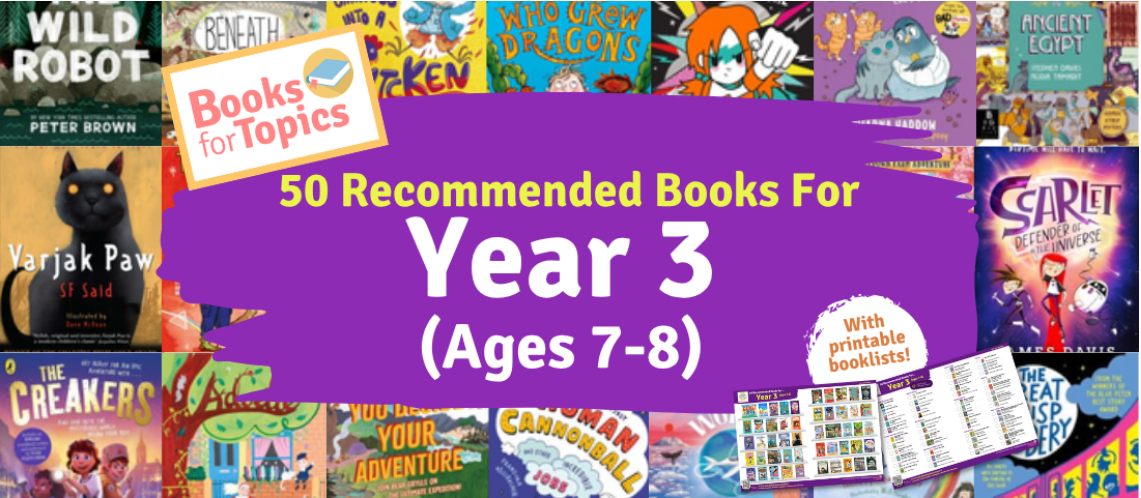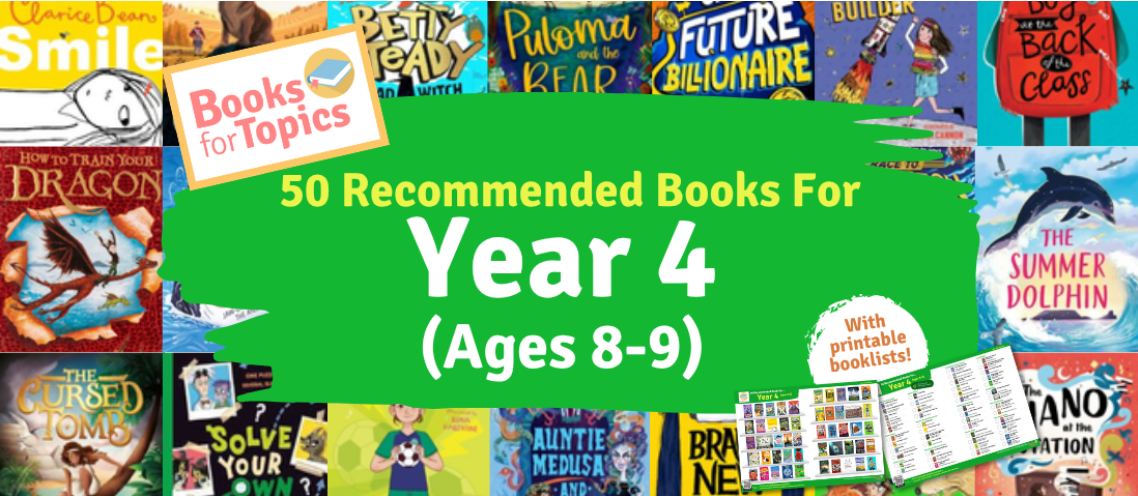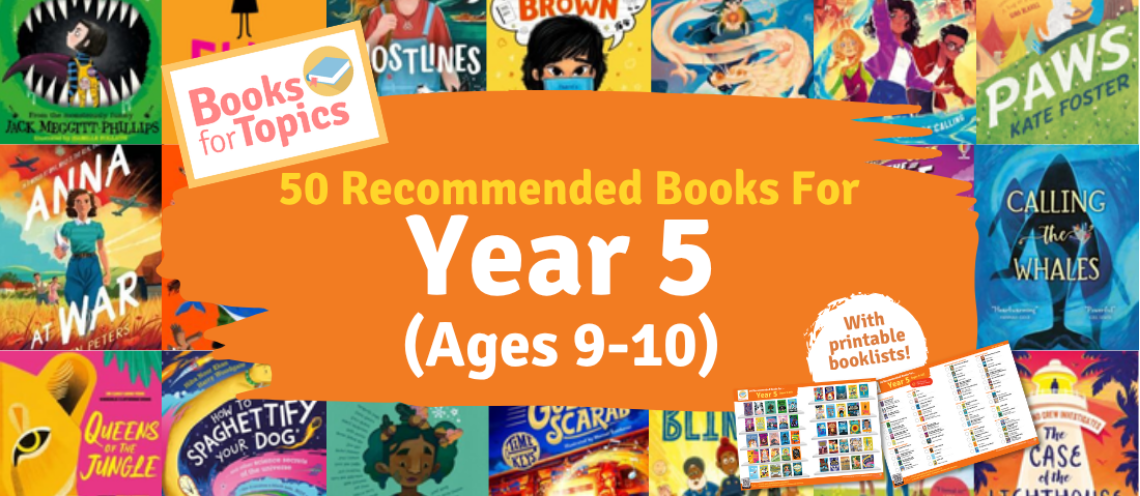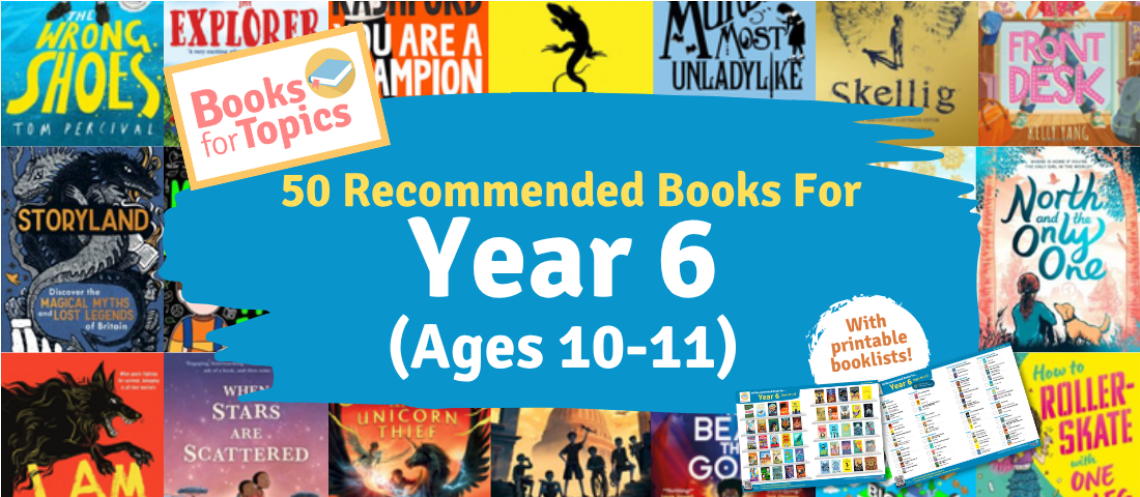



At our school, we believe that reading at home is a vital part of your child’s learning from Reception through to Year 6. Regular reading helps children develop confidence, fluency and a lifelong love of books, while strengthening the skills they need across the whole curriculum.
We encourage children to read little and often – even 10–15 minutes a day makes a big difference. Short, regular sessions help children practise key skills and develop enjoyment without feeling pressured.
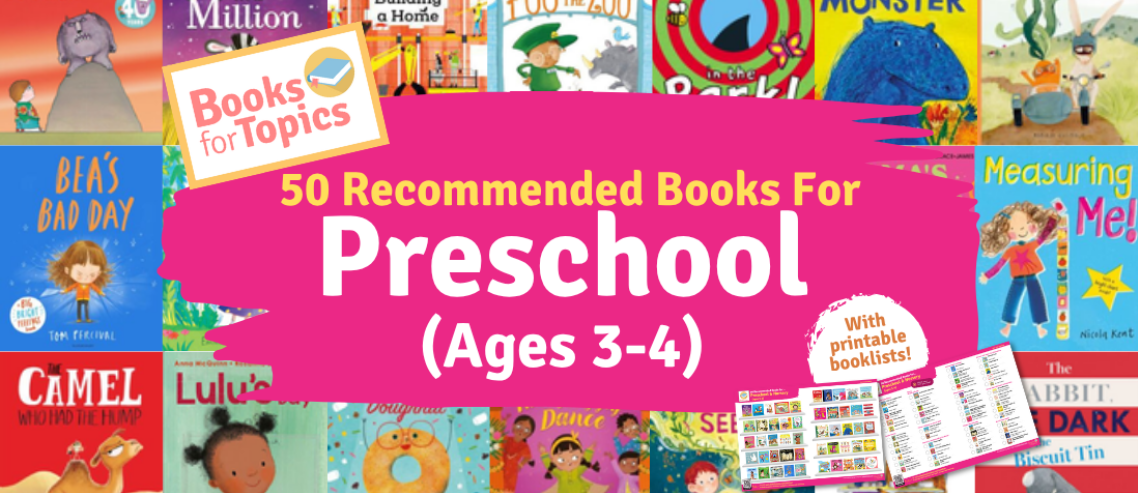
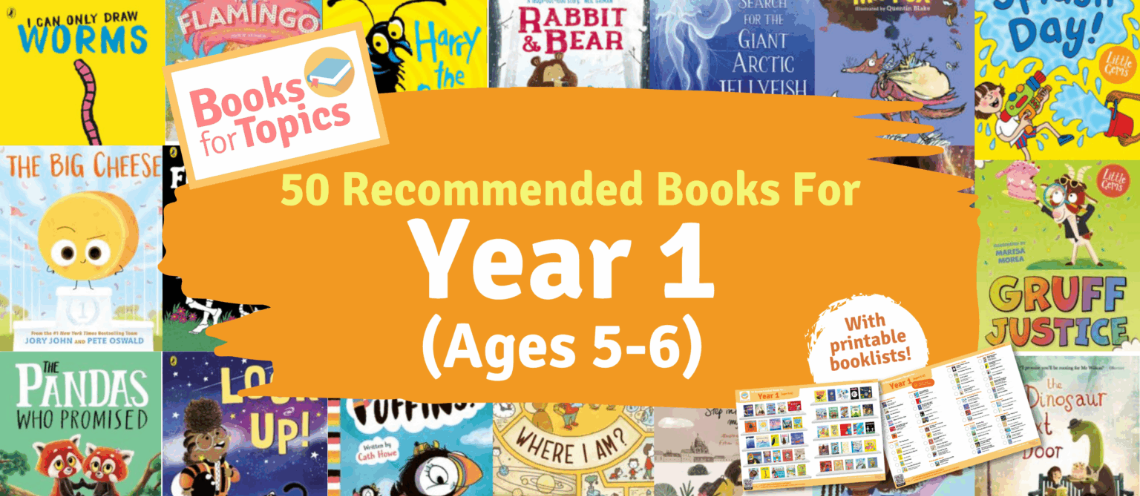
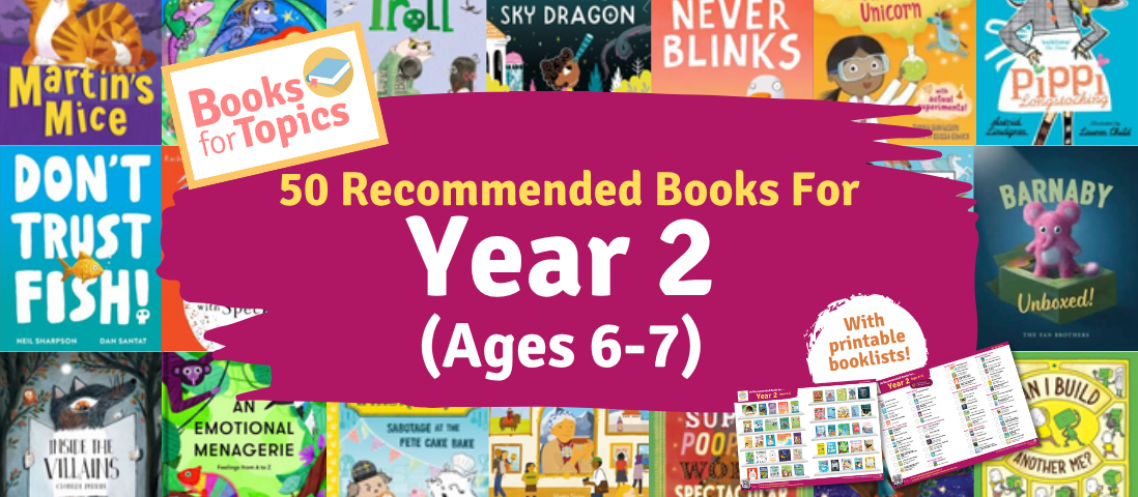
Children will bring home books that are carefully matched to their stage of reading. For our younger children and early readers, this includes decodable phonics books that reinforce letters, sounds and blending skills through our Little Wandle Letters and Sounds Revised programme, alongside sharing or library books to develop enjoyment and vocabulary. As children move through Key Stage 2, they will bring home appropriately levelled books and novels that build fluency, comprehension and deeper understanding, as well as books chosen for pleasure and personal interest.
For children learning phonics, practising at home strengthens what they are taught in school. Encourage them to sound out words carefully, blend sounds smoothly and re-read familiar words to build fluency. For more confident and fluent readers, focus on discussing vocabulary, summarising chapters, predicting what might happen next and exploring characters’ thoughts and feelings.
Reading together remains important at every stage. Even once children can read independently, sharing books allows for discussion, enjoyment and exposure to rich language. Asking questions about the text, themes and author’s choices helps develop comprehension and critical thinking skills.
All reading at home should be logged through BoomReader. This enables us to celebrate achievements, track progress and provide effective support. Please update BoomReader regularly so we can monitor your child’s reading journey.
To make reading successful:
-
Keep it positive and enjoyable.
-
Allow your child to choose books that interest them.
-
Praise effort and progress as well as accuracy.
-
Build reading into daily routines, such as bedtime stories or quiet reading time.
If you have any questions about reading, phonics, the books your child brings home or using BoomReader, please contact your child’s class teacher. We are always happy to work in partnership with you to develop confident, enthusiastic readers.
Here are some useful links to support with reading at home:
How to support your child's reading at home - BBC Bitesize
Tips for reading at home - The Children's Literacy Charity
10 top tips for parents to support children to read - GOV.UK